Insight
DISCIPLINE // Are you the best of the best?
DISCIPLINE // Are you the best of the best?
I stepped out of the property sector and worked closely with elite athletes during the build-up to the Beijing 2008 and London 2012 Olympic Games. One thing that struck me was the role of motivation in sport and work.
In many athletes motivation as we know it was absent more often than it was present. And when it did show up it didn’t always lead to the desired outcomes.
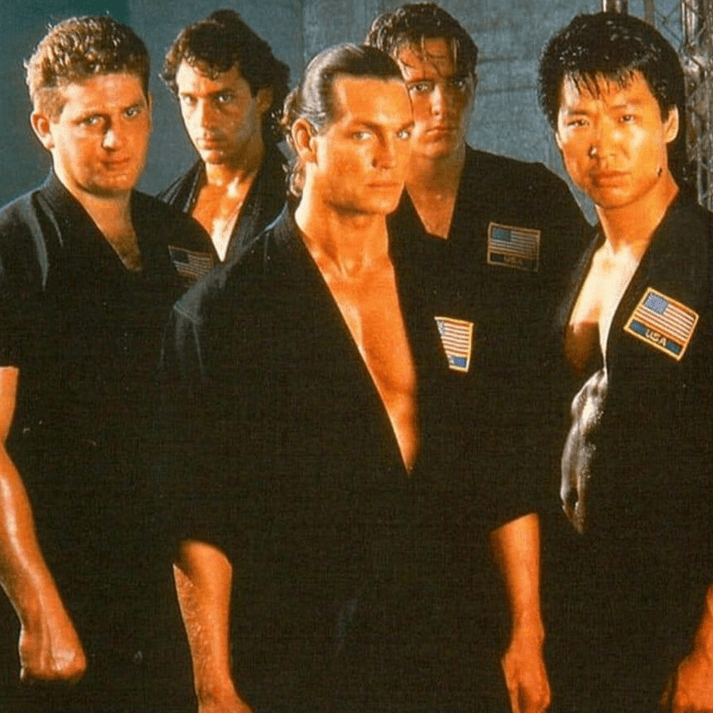
I remember one athlete, the night before a major tournament, searching for a little motivational spark got in bed and put on the 1980s classic martial arts film Best of the Best, hoping it would fire him up. The outcome? He couldn’t sleep afterwards. A restless night led to a day after where he was nowhere near his best when it actually mattered.
And that’s the issue; motivation might feel powerful, but it’s unreliable, uncontrollable and fleeting. It spikes at times, like the start of the year, but has run low by now. As explored in our last insight RESOLUTIONS // Missing the Shots You Don’t Take, we need to take shots, give ourselves permission to act, and learn by doing. But if those resolutions now need a reset, which I’m sure they do, then don’t rebuild them on motivation. Build them on self-discipline.
The Best of the Best Don’t Rely on Motivation
Eliud Kipchoge, one of the greatest marathon runners of all time, a two time Olympic champion, and the first person in history to run a marathon in under two hours, speaks often, and eloquently, about the power of self discipline.
In his lecture at The Oxford Union, he explained that discipline, not motivation, is the foundation of his success. For Kipchoge, discipline means not being a slave to his emotions, committing to the plan, respecting the routine, showing up day after day, and doing the work quietly, long before the world ever sees the result.
He describes discipline as “the bridge between goals and accomplishment,” and credits it alongside consistency, structure, and a calm mind as the true engine behind his achievements. Not temporary inspiration.
Systems Create Greatness
Olympic athletes don’t wake up every morning feeling motivated. Far from it. But they operate within systems, structures, and routines that allow them to perform even when motivation is absent.
Athletes show up daily because their environment is designed to support consistency:
A plan to follow
Simple things repeated at a high standard
Routines that reduce reliance on motivation
Structures that make action easier than inaction
Without these systems, many of the elite athletes we see winning medals wouldn’t be the champions we celebrate today.
And here’s what I learned working with those elite athletes: my and your motivation and discipline aren’t that different from theirs what differs is the structure and systems.
Discipline At Work
In the work environment the people, projects and businesses that perform well aren’t the most motivated. They’re the most consistent and that comes from discipline.
They don’t wait for motivation.
They don’t wait for the perfect moment or the perfect mood.
They don’t depend on emotion to take action.
They create progress through structure, not spurts of inspiration.
Underpinning our business values at Feat Factory we have our ‘Feat Factory Formula’. This formula includes several pillars of how we work. The foundation of those pillars is Discipline.
If you want to elevate your performance this year and deliver against those Big, Hairy, and Audacious goals, you shouldn’t be looking for daily motivation, you should be working on self-discipline because discipline is what makes you and your teams the best of the best.
In many athletes motivation as we know it was absent more often than it was present. And when it did show up it didn’t always lead to the desired outcomes.
I remember one athlete, the night before a major tournament, searching for a little motivational spark got in bed and put on the 1980s classic martial arts film Best of the Best, hoping it would fire him up. The outcome? He couldn’t sleep afterwards. A restless night led to a day after where he was nowhere near his best when it actually mattered.
And that’s the issue; motivation might feel powerful, but it’s unreliable, uncontrollable and fleeting. It spikes at times, like the start of the year, but has run low by now. As explored in our last insight RESOLUTIONS // Missing the Shots You Don’t Take, we need to take shots, give ourselves permission to act, and learn by doing. But if those resolutions now need a reset, which I’m sure they do, then don’t rebuild them on motivation. Build them on self-discipline.
The Best of the Best Don’t Rely on Motivation
Eliud Kipchoge, one of the greatest marathon runners of all time, a two time Olympic champion, and the first person in history to run a marathon in under two hours, speaks often, and eloquently, about the power of self discipline.
In his lecture at The Oxford Union, he explained that discipline, not motivation, is the foundation of his success. For Kipchoge, discipline means not being a slave to his emotions, committing to the plan, respecting the routine, showing up day after day, and doing the work quietly, long before the world ever sees the result.
He describes discipline as “the bridge between goals and accomplishment,” and credits it alongside consistency, structure, and a calm mind as the true engine behind his achievements. Not temporary inspiration.
Systems Create Greatness
Olympic athletes don’t wake up every morning feeling motivated. Far from it. But they operate within systems, structures, and routines that allow them to perform even when motivation is absent.
Athletes show up daily because their environment is designed to support consistency:
A plan to follow
Simple things repeated at a high standard
Routines that reduce reliance on motivation
Structures that make action easier than inaction
Without these systems, many of the elite athletes we see winning medals wouldn’t be the champions we celebrate today.
And here’s what I learned working with those elite athletes: my and your motivation and discipline aren’t that different from theirs what differs is the structure and systems.
Discipline At Work
In the work environment the people, projects and businesses that perform well aren’t the most motivated. They’re the most consistent and that comes from discipline.
They don’t wait for motivation.
They don’t wait for the perfect moment or the perfect mood.
They don’t depend on emotion to take action.
They create progress through structure, not spurts of inspiration.
Underpinning our business values at Feat Factory we have our ‘Feat Factory Formula’. This formula includes several pillars of how we work. The foundation of those pillars is Discipline.
If you want to elevate your performance this year and deliver against those Big, Hairy, and Audacious goals, you shouldn’t be looking for daily motivation, you should be working on self-discipline because discipline is what makes you and your teams the best of the best.
Continue reading

30 July 2026
30 July 2026
30 July 2026


